This week Capital Press publishes a special report on climate change and how it affects things that grow: crops, animals, forests and sea life.
For the most part, the section deals with what researchers have found and determined from records that have been kept for a few generations — not hundreds or thousands of years.
Their predictions of the future are often linked to what they have learned and analyzed from when records were first kept, such as perhaps the 1800s here in the West, or from a few decades of research at universities.
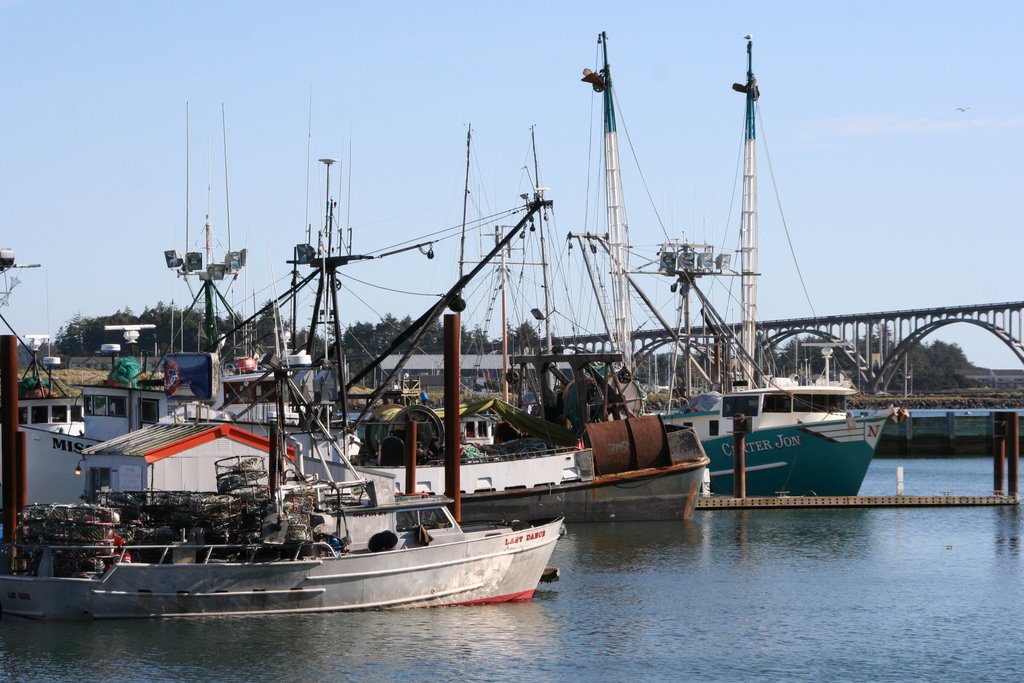
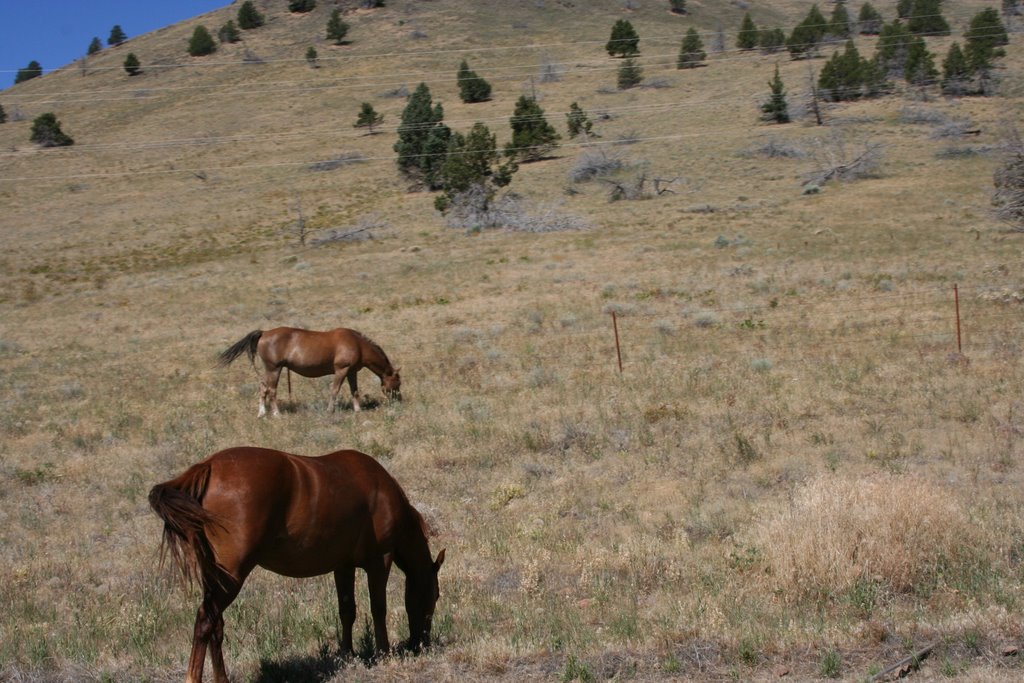
There are also anecdotes from people: what they have noticed in their lifetimes, whether it’s a rancher in Eastern Oregon or someone who lives in a growing seaside town in Washington state.
Discussions of climate change — or the term global warming — has often triggered strong reactions.
The debate has been polarized between those who believe it is here, it is happening and there must be drastic changes made or our civilization faces dire consequences; then there are those who feel Al Gore and others are fearmongers who greatly exaggerate, outright lie or are seriously mistaken in how they interpret what is really happening with the world.
They believe the earth has always had and will have climate cycles and extreme weather events that cannot be tied to our current generation’s treatment of the planet and that nothing needs to be done — especially nothing that will economically cause hardships to a country or an individual, affecting a job or a lifestyle or provides a society convenience.
Life will go on.
However, even in the last year there appears to be more people questioning if the climate is changing beyond the normal cycles and if perhaps something needs to be done about it.
Even in the special report by East Oregonian Publishing Group, some people acknowledge they might have “sat on the fence” in the past on the issue, but can no longer ignore some of the signs.
Some of the fence sitters or those strongly against accepting there is climate change has been some people in the agricultural community.
For those whose livelihoods are closest to the land, each year they gamble with planting a crop, raising an animal, and harvesting a product to feed the world.
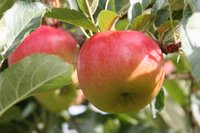
They know better than anyone else how fickle climate can be, favorable one moment and so destructive the next, yet generations of farmers and ranchers accept the gamble and continue on.
But the agricultural community is also one of the places where farmers and ranchers are noting things have changed even in their lifetimes.
They have experienced first hand the consequences — such as when there were extreme temperatures this summer — what climate can do to their crops and animals.
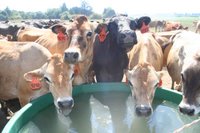
California was an example of what three weeks of temperatures more than 100 F can do: Tulare County has calculated so far this it lost $188 million, mostly in loss of 4,992 dairy cows and lower milk production. There were also 711,000 turkeys that died and 912,500 chickens.
Trees fruit, nuts and field crops also added almost another $30 million in losses.
And that was just one county, in less than a month of extreme heat.
Sometimes there are confusing predictions from researchers about the future. There are discussions about global warming, but also warnings that another ice age may someday be triggered.
How so? How can steady rising temperatures — and all the disasters and challenges that presents — lead eventually to another ice age?
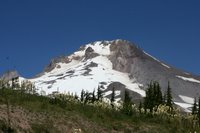
And is it always a manmade problem, or are there other causes of such dire predictions?
Predicting the future climate needs perspective from the past, about the world around us, and what a small world it is.
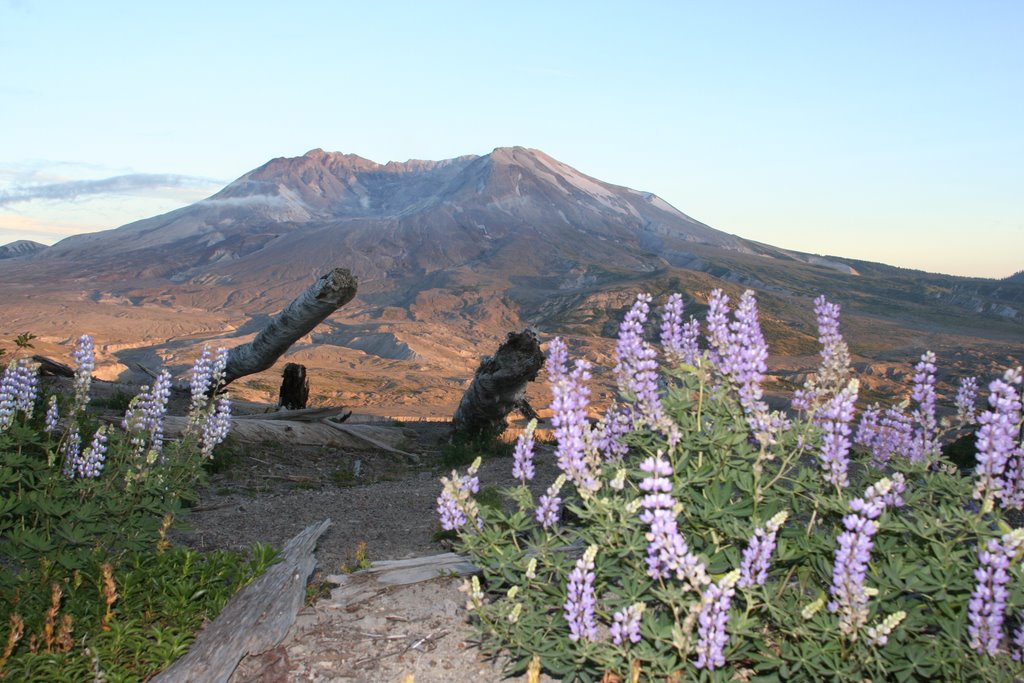
In 1815, the volcano Mount Tambora in the East Indies exploded so powerfully that it changed the climate around the world for more than a year, a result of it spewing 11 cubic miles of rock, ash and dust into the atmosphere.
This is 100 times more than what Mount Saint Helens produced in 1980. Most of the world had its direct sunlight reduced by 15 to 20 percent, according to the book The Little Ice Age by Brian Fagan.
According to a book by Simon Winchester that mostly focused on the mountain Krakatoa, Mount Tambora lowered the world temperature by an average of one degree centigrade. That degree was the difference to cause temperatures just above freezing to slip below for the next year. “Ice would have formed on every pond and, more fatally, in every newborn crop, flower and hatching egg.”
Throughout the world the climate change impacted various countries, leading to crop failures, famine and even revolutions.
The difference this made in New England, for example, was frosts in June and July, a growing season reduced to 70 days instead of the normal 160 days. As crops failed that year and animals suffered, this led more people to emigrate to the West, said Winchester — because of a volcano 10,000 miles away.
There have been other huge volcano blasts during the earth’s geological history, including one in 1873, when the volcano Krakatoa rocked Indonesia and had the “most detonation, the loudest sound” ever recorded in modern human history, according to Winchester.
And there is also the closer-to-home evidence of the giant eruption of Mount Mazama in southern Oregon 7,000 years ago: left behind in the volcanic caldera is Crater Lake that’s almost 2,000 feet deep, the deepest lake in North America.
Pumice from the mountain reached as far as eastern Washington, the Steens mountains in Oregon and western Nevada. Ash from the mountain has been found as far away as southern Saskatchewan in Canada — 745 miles away.
Researchers have also now determined that the Earth experienced a Little Ice Age that lasted 500 years — from the 1300s to the 1800s — that created alterations in what crops were grown where. For example, when England could no longer grow grapes and Germany had problems with its grape harvest, they turned to making beer instead. Root vegetables were preferred as crops grown for peasants instead of cereal crops that froze or faced heavy of rains during this time.
The Little Ice Age also led to changes in nations, according to Fagan’s book, and led to democratic, cultural and societal upheaval internationally.
Ironically, the ice age was triggered by an abnormal warming period in Medieval times that melted polar regions and encouraged exploration and settlement of new lands.
The melting ice caps — and cooler fresh water from them — impacted the saltwater ocean currents and influenced great climate changes that led to unstable, extreme variations in climate internationally.
Fagan’s book notes the historical events that happened because of these changes, from blight on potatoes in Ireland, famine from crop failures in other parts of Europe, the collapse of the great Spanish Armada in fierce ocean storms, and even how American history was impacted by unusual weather conditions.
Again, volcanoes were mentioned as one of things that influenced climate change during this time.
Why should we learn about these latest research findings and ideas when it comes to climate change?
From the past, we may learn lessons on how to deal better with the future.
Considering the Western states have several volcanoes in our midst, it’s always good to know the power they possess that could influence our lives or that of generations that follow around the world.
As for climate change that may be caused by humans, there are steps we can — and should — do to influence and protect mankind from severe shifts in the climate and its inevitable consequences.
As producers of the food so many are dependent on in our nation and other parts of the world, farmers need to know what is happening, why climate is changing and what can be done to minimize the impact or adapt to the changes.
Agriculture